Hard Water Problems: Scale, Fixtures, and Water Heaters
White crust on faucets, spotty glass, and a water heater that pops and rumbles. Where hard water causes trouble in Nampa homes and what actually helps.
If you have lived in the Treasure Valley for a while, you probably know the signs. White crust around the faucet. Spots on every glass that comes out of the dishwasher. A showerhead that sputters instead of sprays. Many homes around Nampa have hard water, and while it is safe to drink, it is hard on plumbing.
Here is where hard water causes problems and what you can do about it.
What hard water is
Hard water carries dissolved minerals, mostly calcium and magnesium, picked up as water moves through rock and soil. When that water is heated or evaporates, the minerals are left behind as scale. A little scale on a faucet is a nuisance. A lot of it inside a water heater or a valve shortens the life of the equipment.
Where you will notice it
| Where | What you see | What is going on |
|---|---|---|
| Faucets and showerheads | White or chalky buildup, weak or uneven spray | Minerals collecting in aerators and nozzles |
| Shower glass and tile | Cloudy spots that are hard to scrub off | Scale left as water dries |
| Dishes | Spots and film, even after a wash cycle | Minerals interfering with detergent |
| Tank water heater | Popping, rumbling, or crackling sounds | Sediment layer on the bottom of the tank |
| Tankless water heater | Error codes or hot water that swings in temperature | Scale coating the heat exchanger |
| Faucet cartridges and toilet valves | Drips and running toilets sooner than expected | Mineral wear on seals and moving parts |
| Laundry | Stiff towels and dull colors | Minerals binding to fabric and detergent |
Water heaters take the biggest hit
Heating water makes minerals fall out faster, so the water heater is where hard water does the most damage.
In a tank heater, sediment settles on the bottom. It acts like a layer of insulation between the burner or element and the water, which can make the heater work harder and take longer to recover. That popping or rumbling sound is water trapped under the sediment turning to steam.
In a tankless heater, scale builds up inside the heat exchanger. Over time, that can cause error codes, reduced flow, and inconsistent temperature.
Regular maintenance helps. Tank heaters benefit from periodic flushing, and tankless units need descaling. How often depends on your water and how much hot water you use, so ask your plumber what makes sense for your home.
What helps
Find out how hard your water is. Your city's annual water quality report lists it, or a plumber can test it at your tap. If you are on a private well, test it yourself.
Clean fixtures regularly. Soaking aerators and showerheads in vinegar loosens buildup. Many can be unscrewed and soaked overnight.
Maintain your water heater. Flush or descale it on a schedule that fits your water.
Fix drips early. Hard water can wear out faucet cartridges and toilet flappers faster. A drip that starts small tends to get worse.
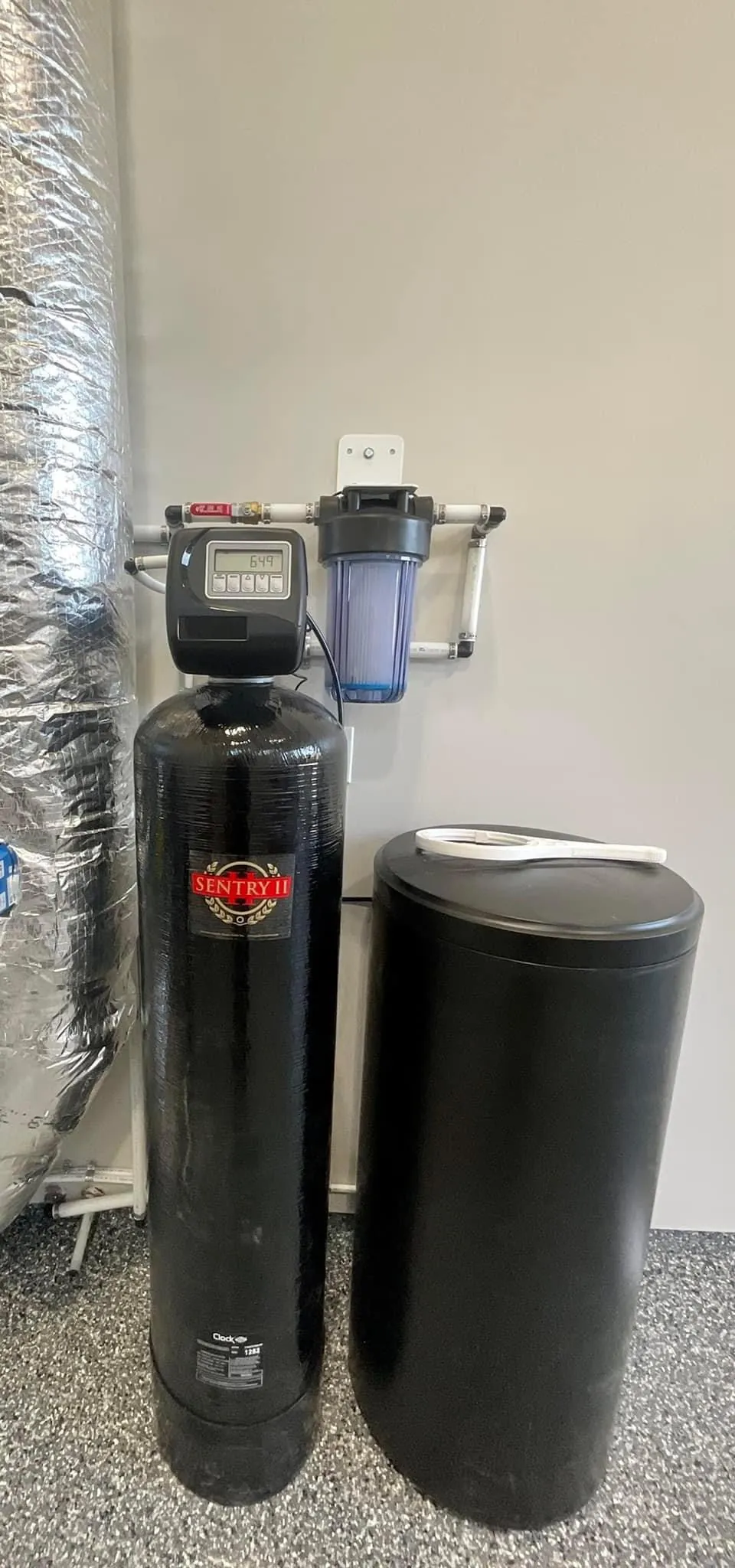
Consider a water softener. A softener removes hardness minerals before the water reaches your fixtures and appliances. It protects your water heater, dishwasher, washing machine, and fixtures, and it makes cleaning a lot easier.
Is a water softener right for you?
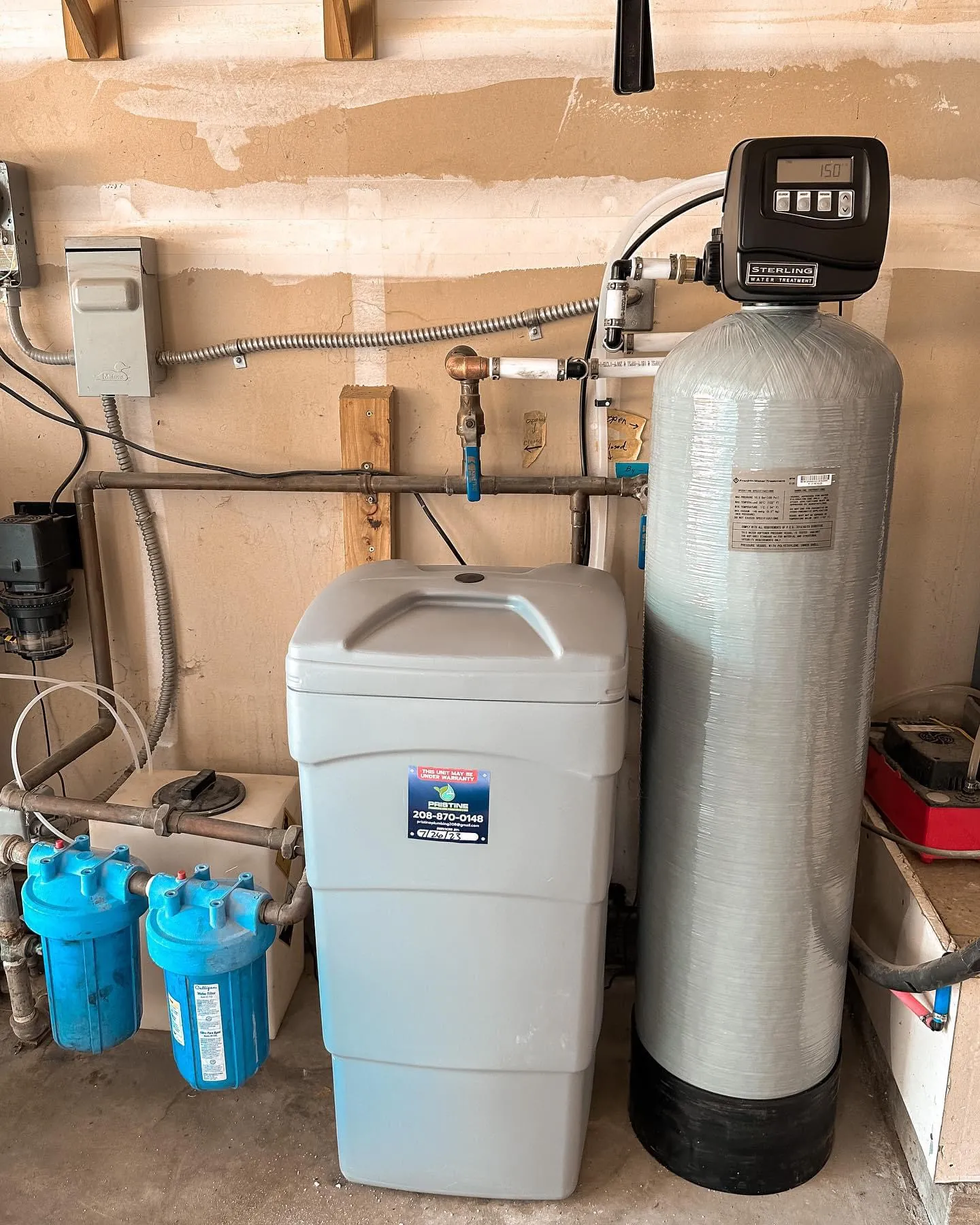
A softener makes the most sense if your water is fairly hard, you are seeing scale problems around the house, or you want to protect a new water heater or tankless unit. A few things to think about:
- Space. Softeners need room near where the water enters the house, plus a drain and an outlet.
- Upkeep. Most need salt added regularly and occasional service.
- Drinking water. Some homeowners prefer a separate tap or a bypass for drinking and cooking water. Ask about options.
- Sizing. The unit should match your household's water use and your water's hardness.
A plumber can test your water, size the system, and install it with the right bypass and drain connections.
Hard water does not explain everything
Hard water causes a lot of slow, gradual problems, but it is not the explanation for a sudden leak, a burst pipe, or a water heater leaking from the tank. Those need a plumber right away.
FAQ
Not answered here? Call and describe what you are seeing. We will tell you what it needs before anyone comes out.
(208) 870-0148Can my family still drink hard water?
Generally, yes. The minerals in hard water are not considered harmful. The problems are mostly with plumbing, appliances, and cleaning.
Will a softener fix scale that is already there?
It stops new scale from forming. Existing buildup on fixtures may need cleaning, and a water heater may need a flush.
How often should I flush my water heater?
It depends on your water and usage. Ask your plumber for a schedule that fits your home.
If hard water is wearing out your fixtures or water heater, Pristine can test your water and recommend the right fix, including water softener installation in Nampa. For anything else around the house, call Pristine, your plumber in Nampa.
If you would rather we looked at it
Free estimate, and a written price before anything starts.
Call (208) 870-0148More in Common Plumbing Problems
12 Common Plumbing Problems and How to Avoid Them
The twelve plumbing failures we are called out for most often, what causes each one and which are genuinely preventable.
Why Are the Walls in My Home Wet?
Telling condensation apart from a hidden leak, and the tests that settle it before you open a wall to find out.
Frozen Pipes in Nampa: How to Tell, How to Thaw Them Safely, and How to Prevent the Next One
No water from one faucet on a cold morning? How to tell if a pipe is frozen, how to thaw it without damage, what to do if it bursts, and how Treasure Valley homes can prevent it.
Signs Your Home Has a Hidden Leak Before the Bill Spikes
A creeping water bill, a meter that never rests, or a warm spot on the floor. How Nampa and Treasure Valley homeowners can spot a hidden leak early and what to do next.