
Frozen Pipes in Nampa: How to Tell, How to Thaw Them Safely, and How to Prevent the Next One
No water from one faucet on a cold morning? How to tell if a pipe is frozen, how to thaw it without damage, what to do if it bursts, and how Treasure Valley homes can prevent it.
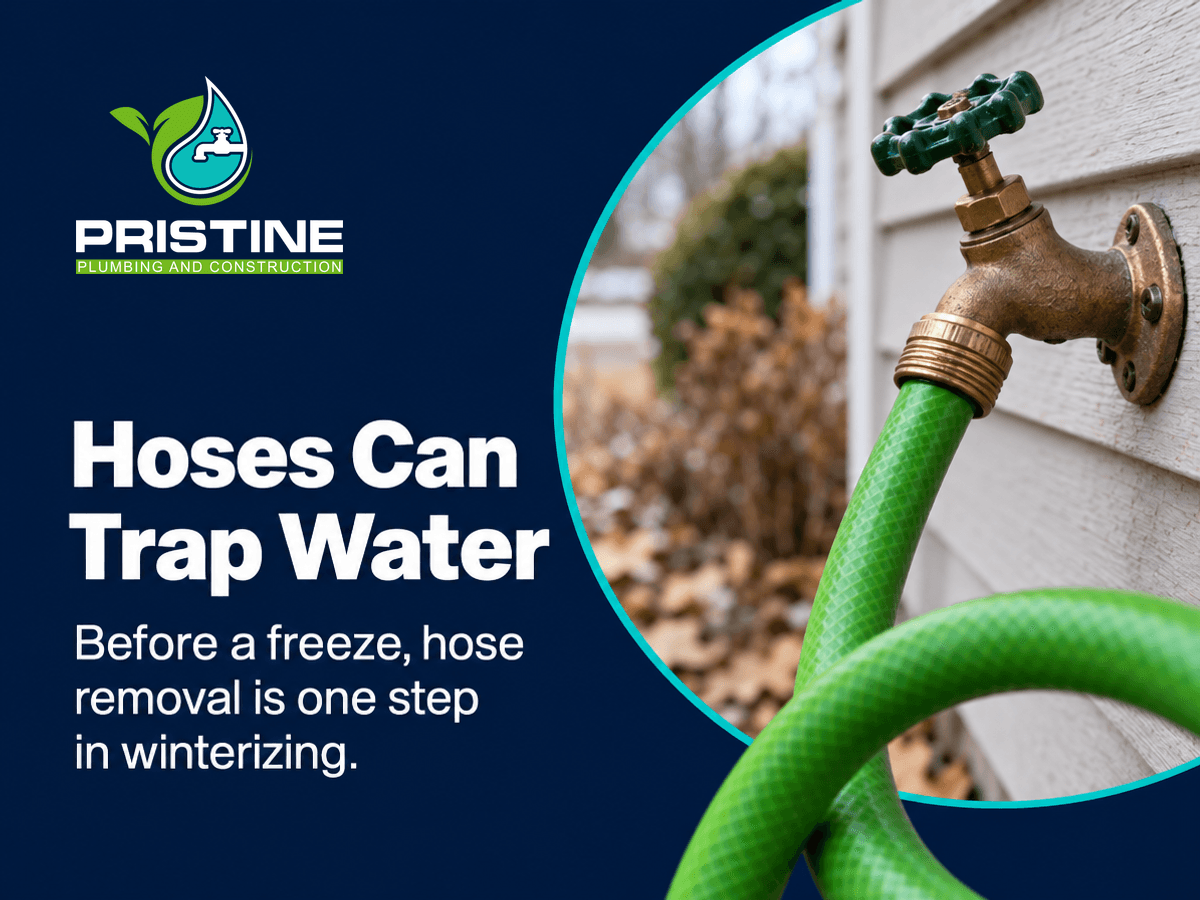
The first hard freeze of the season tends to find the same weak spots in Treasure Valley homes. A hose bib on the north wall. A line running through an unheated garage. A kitchen sink on an exterior wall with the cabinet doors shut tight.
Most frozen pipes can be thawed without a burst if you catch them early and go slowly. This guide covers how to spot one, how to warm it up safely, what to do if it has already split, and the habits that keep it from happening again.
How to tell if a pipe is frozen
The most common sign is simple: you turn on a faucet and get nothing, or only a trickle, while other fixtures in the house work fine.
Other clues:
- Frost on the outside of an exposed pipe
- A pipe that feels much colder than the ones around it
- Toilet tank refilling slowly or not at all
- A faint sewer smell from a drain, since frozen drain lines can push odors back up
- Bulging or a hairline crack on a visible section of pipe
If no water is coming from any fixture, the freeze may be near where the line enters the house, or it may be a supply issue. Check with a neighbor before assuming the worst.
Where pipes usually freeze in Treasure Valley homes
Freezing happens where water lines sit in cold air without much insulation. In local homes that usually means:
- Crawl spaces, especially near vents left open for summer
- Garages, including lines feeding a laundry area or water softener
- Exterior walls behind kitchen and bathroom sinks
- Outdoor spigots and the short run of pipe behind them
- Attics, in homes where supply lines were routed overhead
Knowing your own weak spots is half the work. If you have had a freeze before, it will likely happen in the same place again.
How to thaw a frozen pipe safely
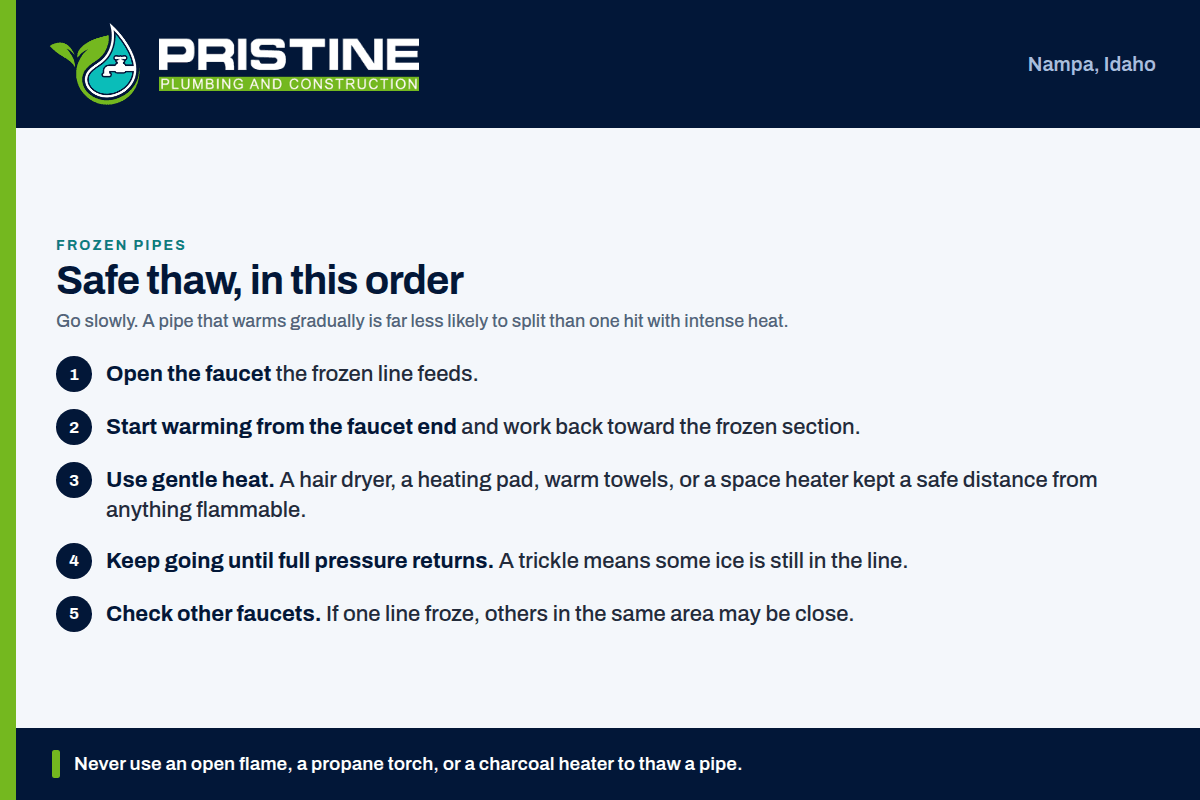
Go slowly. A pipe that warms gradually is far less likely to split than one hit with intense heat.
- Open the faucet the frozen line feeds. Moving water helps melt the ice, and an open faucet relieves pressure as it thaws.
- Start warming from the faucet end and work back toward the frozen section.
- Use gentle heat. A hair dryer, a heating pad, warm towels, or a space heater kept a safe distance from anything flammable all work.
- Keep going until full pressure returns. A trickle means some ice is still in the line.
- Check other faucets. If one line froze, others in the same area may be close.
Never use an open flame, a propane torch, or a charcoal heater to thaw a pipe. Beyond the fire risk, a torch can heat a pipe fast enough to make it burst or damage nearby joints.
If you cannot reach the frozen section, or it is inside a wall, call a plumber rather than cutting into drywall on a guess.
Will a frozen pipe thaw on its own?
Eventually, yes, once temperatures rise. The problem is what happens while you wait. Ice expands, pressure builds between the ice and the closed faucet, and the pipe can split. Then, when it does thaw, water flows out of the crack. Many people discover a burst only after the weather warms. Thawing it yourself, with the faucet open, gives you control over that moment.
Do frozen pipes always burst?
No. Plenty of frozen lines thaw without damage, especially when caught early. Risk goes up with longer, colder freezes, older or brittle piping, and lines that freeze repeatedly in the same spot. Even if a pipe looks fine after thawing, watch the area for a few days. A small pinhole leak can take time to show up as a stain or a damp spot.
If a pipe has already burst
Move quickly:
- Shut off the main water valve. Find it now, before you need it. In many homes it is near the water heater, in the garage, or where the line enters the crawl space.
- Turn off the water heater if the house will be without water for a while.
- Open faucets to drain remaining water from the lines.
- Move belongings away from the leak and start drying the area.
- Take photos of the damage before cleanup, in case you need them later.
- Call a plumber for emergency plumbing to repair the line and check for other weak spots.
Whether homeowners insurance helps depends on your policy and the cause, so call your agent and ask.
How to prevent frozen pipes this winter
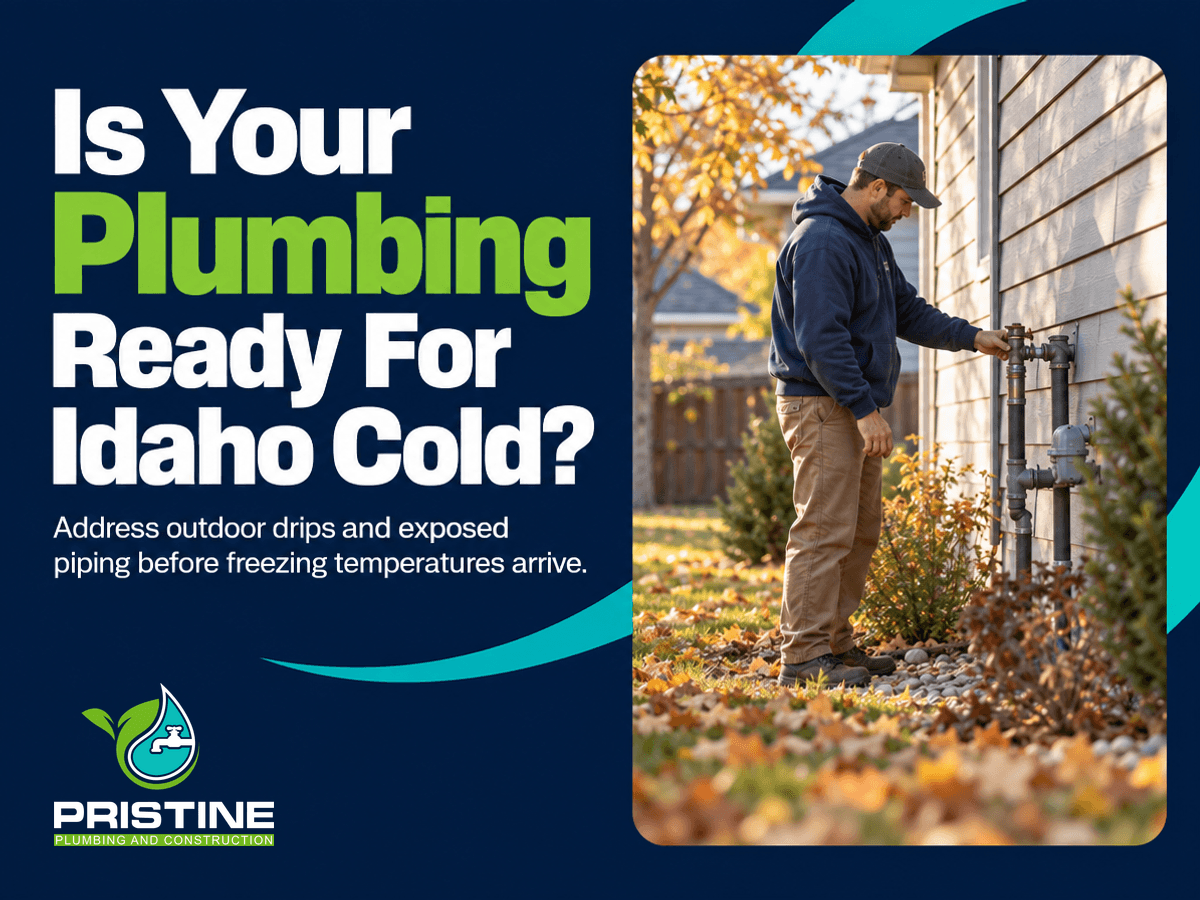
Prevention costs little compared to a repair:
- Disconnect garden hoses and drain outdoor spigots before the first freeze.
- Close crawl space vents for the winter if your home has them, then reopen them in spring.
- Insulate exposed pipes in garages, crawl spaces, and attics with foam sleeves.
- Open cabinet doors under sinks on exterior walls during cold snaps so warm air can reach the pipes.
- Let a faucet drip on the coldest nights, especially one fed by a line that has frozen before.
- Keep the thermostat steady, including at night and when you travel. A big setback can let cold spots drop below freezing.
- Seal drafts around where pipes pass through exterior walls or foundations.
If the same line freezes every year, the fix may be rerouting or adding insulation in that spot rather than repeating the thaw routine.
When to call a plumber
Call for help if you cannot find the frozen section, the line is inside a wall or ceiling, a pipe has split, or water pressure stays low after thawing. Pristine Plumbing offers free estimates, and on a plumbing repair in Nampa we diagnose first and give you the price before any work starts. If you are looking for a local plumber in Nampa to look over your home's weak spots before deep winter, give us a call.
If you would rather we looked at it
Free estimate, and a written price before anything starts.
Call (208) 870-0148FAQ
Not answered here? Call and describe what you are seeing. We will tell you what it needs before anyone comes out.
(208) 870-0148How do I know if my pipes are frozen or the water is just off?
If one or two faucets have no water while others work, a frozen line is likely. If nothing works anywhere, check with neighbors or the water provider before assuming a freeze.
Can I use a hair dryer to thaw a frozen pipe?
Yes. A hair dryer is one of the safest tools for the job. Keep it moving, keep it away from standing water, and leave the faucet open while you work.
Should I let faucets drip in Nampa during cold snaps?
On the coldest nights it helps, especially for sinks on exterior walls or lines that have frozen before. A slow drip keeps water moving and relieves pressure.
Do I need to close my crawl space vents in winter?
If your home has crawl space vents, closing them during the cold months helps keep pipes in that space warmer. Reopen them in spring for airflow.
Who should I call for a frozen pipe in the Treasure Valley?
A licensed plumber. Pristine Plumbing serves Nampa and nearby Treasure Valley communities and can thaw lines, repair bursts, and suggest ways to protect problem spots.
More in Common Plumbing Problems
12 Common Plumbing Problems and How to Avoid Them
The twelve plumbing failures we are called out for most often, what causes each one and which are genuinely preventable.
Why Are the Walls in My Home Wet?
Telling condensation apart from a hidden leak, and the tests that settle it before you open a wall to find out.